

Custom Insoles vs Off-the-Shelf Insoles: What's the Real Difference?
Saturday, May 30, 2026
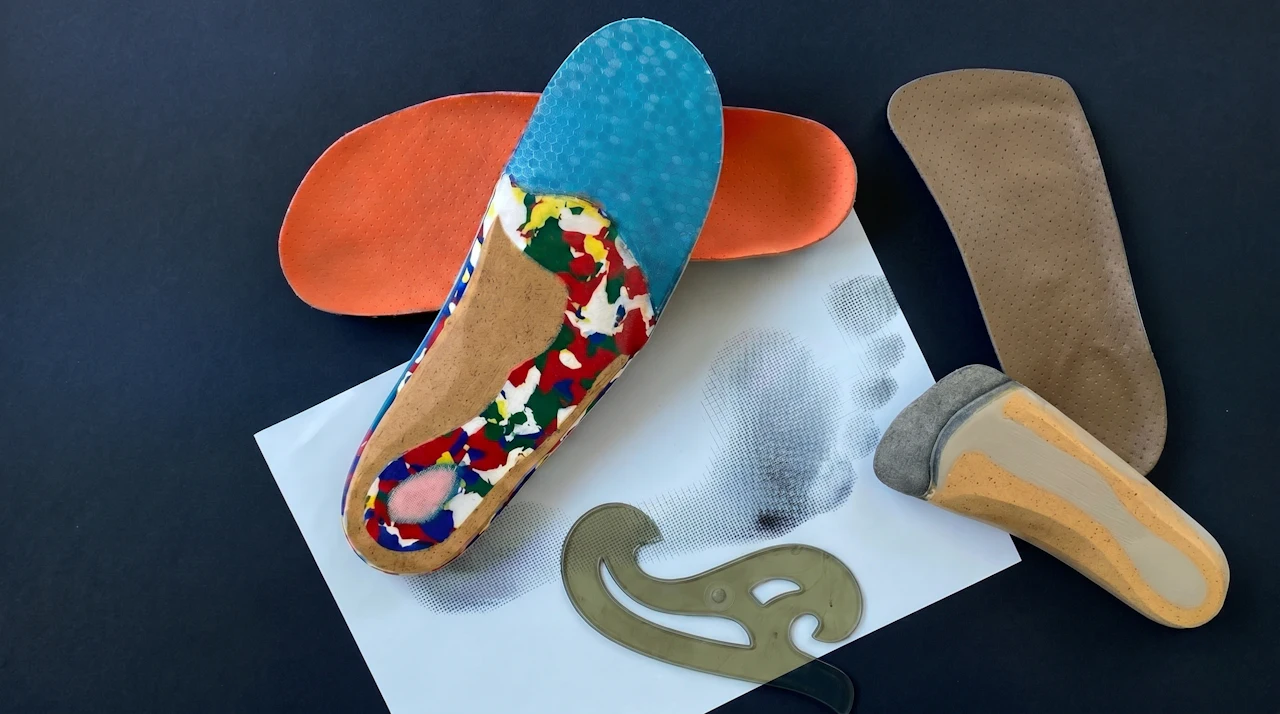
Have you ever bought a pair of insoles from a pharmacy, worn them for a few weeks, and found yourself back at square one with the same foot pain? If so, you're in good company — it's one of the most common stories we hear from new patients at Foot Factor. The insole market is crowded with options that promise relief, and the gap between what most of them deliver and what your feet actually need is often significant. Understanding the real difference between custom insoles and off-the-shelf insoles helps you make a smarter decision, spend your money more effectively, and avoid the cycle of temporary fixes that never quite solve the problem.
If you've been managing recurring foot discomfort with products bought off the shelf and wondering why the results are inconsistent, this should give you a clearer picture of what each option is genuinely capable of.
Cushioning vs Correction
Foot pain is remarkably common, and the range of products marketed as a solution fills entire aisles in pharmacies and sports shops. Gel pads, foam inserts, arch supports, and cushioned liners all claim to reduce pain and improve comfort, and for some people in some situations, they do exactly that. The problem arises when someone reaches for an over-the-counter insole expecting it to correct an underlying mechanical issue it was never designed to address.
The distinction that matters most is the difference between cushioning and biomechanical correction. Cushioning adds padding between the foot and the ground, reducing impact and improving immediate comfort. Biomechanical correction, by contrast, changes how the foot functions during movement — redistributing load, improving alignment, and addressing the structural causes of pain. These are fundamentally different goals, and which one you need depends entirely on your situation. It's the first thing our podiatry team assesses with every new patient, before any insole is recommended.
What Are Off-the-Shelf Insoles?
Off-the-shelf orthotics — also called prefabricated or over-the-counter insoles — are mass-produced inserts manufactured in standard sizes to fit a general range of foot shapes. Typically made from gel, basic foam, or a combination of both, they're designed to add cushioning and modest arch support for the "average" foot. You can buy them without a clinical assessment, without a prescription, and without any knowledge of your own foot mechanics.
Their ideal use cases are genuinely limited, but real. For someone who spends long hours on hard floors and feels general fatigue by the end of the day, an over-the-counter insole can offer meaningful relief. They also work reasonably well for adding cushioning to flat-soled shoes, or for short-term comfort during a temporary spike in activity. The APMA's guide on shoe inserts vs orthotics draws a clear line between these basic inserts and prescription devices, noting that inserts aren't custom-made and don't correct biomechanical issues.
The limits of a prefabricated insole show up once a specific structural or mechanical problem is involved. A one-size-fits-many product can't account for the shape of your individual arch, the way your foot rolls during gait, or exactly where excess load is being placed. Relying on an off-the-shelf product for a condition that needs targeted correction can let the underlying problem get worse rather than resolve.
What Are Custom Insoles (Orthotics)?
Custom insoles — clinically referred to as custom foot orthotics — are prescription medical devices made specifically for your feet, based on a detailed clinical assessment. They're not an upgraded pharmacy insole; they're a different category of intervention entirely, built to address a diagnosed mechanical or structural problem with precision. The NHS's overview of orthotic services describes these devices as prescribed specifically to improve function and reduce pain, underlining their status as clinical tools rather than comfort products.
At Foot Factor, the process starts with a thorough podiatric assessment covering foot posture, joint range of motion, muscle function, and gait pattern. From there, we take a cast or 3D scan of your feet to capture their exact shape and mechanical profile, which is used to build an insole around your individual anatomy — using materials chosen for your specific condition, activity level, and footwear. If you'd like to understand how this compares with our other custom options, our breakdown of bespoke orthotics vs custom insoles covers exactly that.
The clinical indications for custom orthotics are specific and evidence-based: plantar fasciitis, severe flat feet, diabetic foot offloading, Achilles tendinopathy, and sports-related overuse injuries are among the conditions where a custom device delivers outcomes a prefabricated alternative simply can't match. Anyone consulting a podiatrist about persistent lower-limb pain will usually find a biomechanical assessment and orthotics prescription forms a central part of the treatment plan.
Custom vs Off-the-Shelf, Side by Side
Fit and Accuracy
Off-the-shelf insoles come in broad size categories and follow a generic arch profile that suits some feet and misses others entirely. If your arch height, foot width, or gait pattern falls outside the average, the insole won't sit correctly and may offer little real benefit. Custom orthotics are built to match the precise contours of your individual foot, giving accurate contact across the entire plantar surface and consistent correction with every step.
Materials and Durability
Most over-the-counter insoles use foam or gel that compresses and degrades fairly quickly, often losing their functional properties within three to six months of regular use. Custom devices use materials chosen for longevity and clinical purpose — semi-rigid polypropylene shells, medical-grade foams, and specialist top covers suited to different activity levels. A well-maintained pair of custom orthotics typically lasts two to five years, which makes the higher upfront cost easier to justify across the lifespan of the device.
Cost, Short and Long Term
Arch support inserts from a pharmacy cost somewhere between five and thirty pounds a pair, which looks cost-effective on the surface. But many people with persistent foot problems cycle through several pairs over months or years without resolving anything, and those costs add up — often rivalling or exceeding the price of a custom device. Custom orthotics represent a higher initial outlay, but for the right clinical indication, they address the root cause and cut down on ongoing purchases, extra treatments, and time lost to pain.
When Is an Off-the-Shelf Insole Enough?
A pharmacy or sports-shop insole is a perfectly reasonable choice in several situations: general foot fatigue after an unusually active day, extra cushioning for unsupportive footwear, or a temporary measure while you wait for a clinical appointment. People with no underlying structural issues who simply want more comfort in their everyday shoes will often find a prefabricated insole meets their needs without further intervention.
Where off-the-shelf products fall short is in managing chronic or structural problems. Using an over-the-counter insole for plantar fasciitis, ongoing heel pain, or a mechanical imbalance affecting your gait will rarely produce lasting improvement, because these conditions involve specific load patterns that a generic insert can't reliably address.
Signs You Need to Upgrade to Custom
A few clear signals tell you an off-the-shelf product is no longer the right solution. The most consistent one is pain that returns or persists despite using prefabricated inserts — if you've tried more than one over-the-counter product without lasting improvement, the issue almost certainly needs a more precise, individually tailored approach.
Specific diagnoses point clearly towards custom orthotics too: plantar fasciitis that doesn't respond to stretching and footwear changes, diabetic foot conditions requiring precise offloading to prevent ulceration, significant flat-foot deformity causing knee or hip compensation, and biomechanically-driven sports injuries. In these cases, a prescription device isn't a luxury upgrade — it's the appropriate level of care for the complexity of the condition.
The Bottom Line
The right insole isn't the most expensive one, or the one with the most convincing packaging — it's the one that matches what your feet actually need. Custom and off-the-shelf insoles aren't competing products on a quality spectrum; they're different tools for different jobs, and choosing correctly depends on an honest read of your own situation. For minor cushioning and temporary comfort, a prefabricated option is entirely appropriate. For a mechanical condition, a structural problem, or pain that keeps returning despite conservative measures, a prescription custom device is the clinically sound choice.
If you're unsure where your situation sits on that spectrum, the most useful next step is a proper assessment before spending more on products that might not be right for you. Take a look at how it's worked out for patients we've treated, or speak to our podiatry team for an assessment before you buy.