

Bunions: Causes, Symptoms, Treatment & Prevention
Tuesday, June 30, 2026
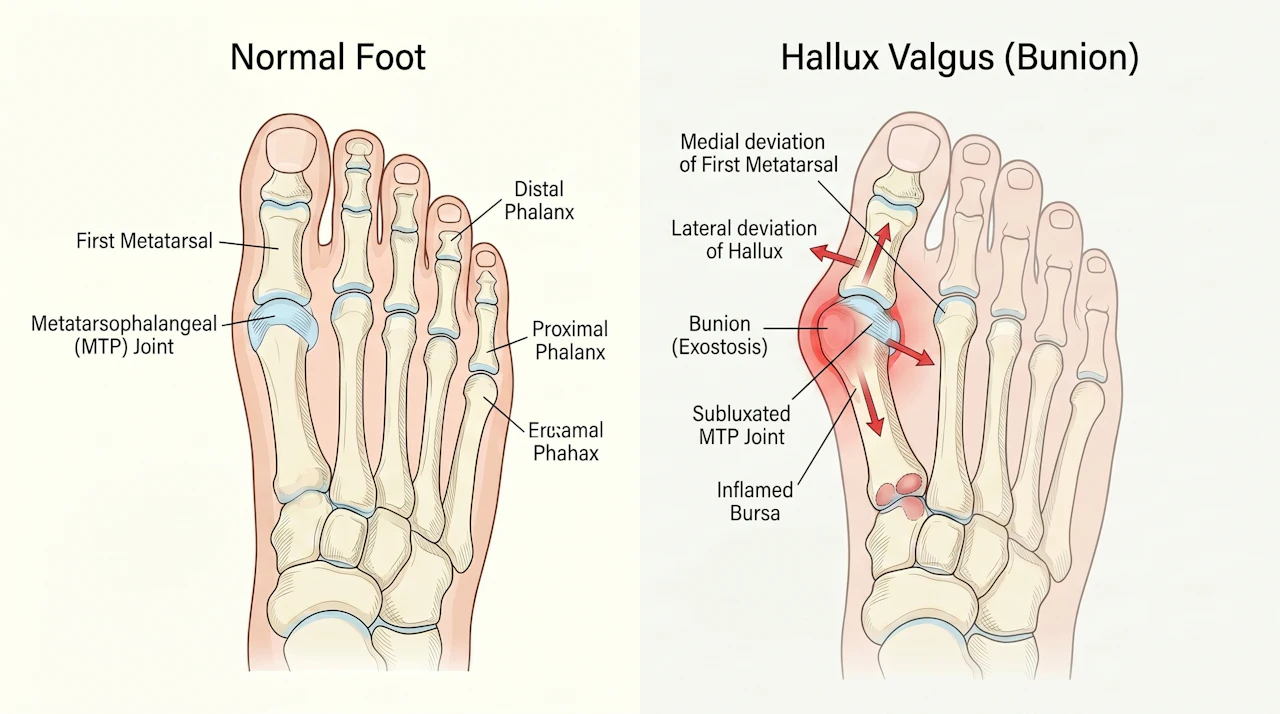
If you've noticed a painful bump forming at the base of your big toe, you're not alone. Bunions are one of the most common foot conditions we see at Foot Factor, and while they often develop gradually, they can have a significant impact on your comfort, mobility, and ability to stay active.
Whether you're a runner, spend long hours on your feet, or simply want to walk without pain, understanding bunions is the first step towards effective treatment.
What Is a Bunion?
A bunion, medically known as hallux valgus, is a bony prominence that develops at the joint where the big toe meets the foot. As the condition progresses, the big toe gradually angles towards the smaller toes, causing the joint to protrude outward.
Although bunions may begin as a cosmetic concern, they can eventually lead to pain, stiffness, difficulty wearing shoes, and reduced mobility if left untreated.
At Foot Factor, our experienced podiatrists provide comprehensive bunion assessments and personalised treatment plans to help reduce pain, improve foot function, and keep you moving comfortably.
What Causes Bunions?
Bunions rarely develop from a single cause. Instead, they are usually the result of several contributing factors working together.
Biomechanical Issues
The way your feet function plays a major role. People with flat feet, excessive pronation, or abnormal foot mechanics are often more likely to develop bunions due to increased pressure on the big toe joint.
Genetics
Bunions frequently run in families. While you don't inherit the bunion itself, you may inherit the foot structure that makes bunions more likely to develop.
Footwear Choices
Although shoes don't directly cause bunions, wearing narrow, tight-fitting, or high-heeled footwear can place extra pressure on the front of the foot and accelerate the progression of an existing deformity.
Sports and Activity
Running, jumping, and activities that repeatedly load the forefoot can increase stress on the big toe joint, particularly if underlying biomechanical issues are present.
Common Symptoms of Bunions
Many bunions develop slowly, meaning symptoms may be mild at first. As the condition progresses, you may notice:
- A visible bump at the base of the big toe
- Redness, swelling, or tenderness around the joint
- Pain while walking or wearing shoes
- Corns or calluses caused by overlapping toes
- Reduced movement or stiffness in the big toe
- Difficulty finding comfortable footwear
If you're experiencing any of these symptoms, early assessment can help prevent further progression.
How Are Bunions Treated?
Treatment depends on the severity of the bunion, your symptoms, and your lifestyle. At Foot Factor, we always aim to manage bunions conservatively wherever possible.
Conservative Treatment Options
Footwear Advice
Choosing shoes with a wider toe box and good support helps reduce pressure on the bunion and improves overall comfort.
Custom Orthotics
Bespoke orthotics are designed to improve foot alignment, reduce abnormal loading, and relieve stress on the big toe joint. For many patients, they play a key role in reducing pain and slowing progression.
Activity Modification
Small changes to training routines or daily activities can reduce repetitive stress while allowing you to remain active.
Rehabilitation Exercises
Targeted strengthening and stretching exercises can improve foot function, maintain joint mobility, and support healthier movement patterns.
When Is Surgery Needed?
For severe bunions that significantly affect daily life or fail to respond to conservative care, surgery may be the most appropriate option.
At Foot Factor, we work closely with experienced orthopaedic specialists and can guide you through your treatment options, ensuring you receive the most appropriate care for your individual needs.
Can You Prevent Bunions?
While genetics cannot be changed, there are several ways to reduce your risk or slow progression:
- Wear supportive shoes with a wide toe box.
- Limit prolonged use of high heels.
- Use custom orthotics if you have flat feet or abnormal foot mechanics.
- Perform regular foot strengthening and stretching exercises.
- Seek professional assessment as soon as you notice early signs of a bunion.
Early intervention often leads to better long-term outcomes.
Why Choose Foot Factor for Bunion Treatment in Central London?
At Foot Factor, we understand that healthy feet are essential for an active lifestyle.
Sports-Focused Expertise
We regularly treat runners, athletes, and active individuals, tailoring treatment plans to help you return to sport safely and comfortably.
Experienced Podiatrists
Our clinicians use advanced biomechanical assessments and evidence-based treatment techniques to manage bunion pain and prevent progression.
Bespoke Orthotics and Rehabilitation
Every treatment plan is personalised, combining custom orthotics, footwear advice, and rehabilitation exercises based on your unique foot mechanics.
Convenient Central London Location
Located in the heart of Central London, our clinic offers easy access to expert podiatry care for busy professionals, commuters, and athletes alike.
Frequently Asked Questions
Can bunions disappear without surgery?
No. Conservative treatment cannot remove the bony prominence, but it can significantly reduce pain, improve function, and help slow progression.
Can bunions affect sporting performance?
Yes. Bunions can alter foot mechanics, reduce stability, and make running, jumping, and walking more uncomfortable.
When should I see a podiatrist?
If you've noticed a growing bump, persistent pain, swelling, or difficulty wearing shoes, it's worth booking an assessment before the condition worsens.
Are custom orthotics effective for bunions?
Yes. Custom orthotics help improve foot mechanics, reduce pressure on the affected joint, and can often slow further progression while relieving discomfort.
Book Your Bunion Assessment at Foot Factor
If bunion pain is limiting your mobility, exercise, or everyday activities, our experienced podiatrists are here to help.
From comprehensive biomechanical assessments and bespoke orthotics to rehabilitation programmes and expert guidance on surgical referral when appropriate, Foot Factor provides personalised care designed to keep you active and pain-free.
Contact our Central London clinic today to book your bunion assessment and take the first step towards healthier, more comfortable feet.