


Sinus Tarsi Syndrome
Discover Sinus Tarsi Syndrome, a cause of ankle pain and instability. Learn about symptoms, causes, diagnosis, and effective treatment options for relief.
Overview
Sinus Tarsi Syndrome is a condition affecting the small cavity on the outside of the ankle, known as the sinus tarsi. This space contains ligaments and soft tissue that stabilize the ankle and subtalar joint. The syndrome typically develops after ankle sprains, repetitive stress, or chronic instability, leading to pain and discomfort in the lateral (outer) ankle.

Symptoms & Causes
Common symptoms include pain and tenderness over the sinus tarsi, instability, swelling, difficulty walking on uneven surfaces, and occasional clicking or giving way of the ankle. Symptoms often worsen with activity, particularly running, jumping, or prolonged walking.
What does it feel like?
1. Persistent, Deep Ankle Pain
A dull, aching pain that sits deep within the outer ankle. It may be constant or come and go depending on activity levels.
2. Instability or “Giving Way”
One of the most distinctive sensations is a feeling that the ankle is unstable, especially when walking on uneven ground. It can feel like the ankle might suddenly “give out.”
3. Sharp Pain with Movement
Certain movements—like turning the foot inward or walking on uneven surfaces—can trigger a sharp, stabbing pain.
4. Tenderness to Touch
Pressing on the sinus tarsi area often causes noticeable tenderness or discomfort.
5. Swelling and Fullness
Some people notice mild swelling or a feeling of fullness inside the ankle, especially after activity.
6. Clicking or Catching Sensation
You might feel or hear subtle clicking when moving the ankle, often linked to irritation of the soft tissues.

How is it Diagnosed?
1. Medical History Review
The first step involves a detailed discussion of your symptoms and medical history. Your doctor will ask about:
- Recent ankle sprains or injuries
- Activities that trigger pain (running, uneven surfaces, jumping)
- The pattern and duration of your discomfort
- Any previous ankle instability or chronic ankle problems
This helps narrow down whether the sinus tarsi is the likely source of pain.
2. Physical Examination
A clinician will examine your ankle to check for:
- Tenderness over the sinus tarsi area
- Swelling or fullness in the lateral ankle
- Range of motion limitations or pain during movement
- Instability tests, such as having you walk on uneven ground or pivot your foot
These maneuvers help identify the characteristic sensations of Sinus Tarsi Syndrome.
3. Imaging Studies
If needed, imaging can confirm the diagnosis and rule out other conditions:
- X-rays: Usually to check for fractures or bone abnormalities
- MRI (Magnetic Resonance Imaging): Shows ligament or soft tissue inflammation, which is common in sinus tarsi syndrome
- Ultrasound: Can detect swelling and guide corticosteroid injections if necessary
4. Diagnostic Injections
In some cases, a local anesthetic injection into the sinus tarsi is used.
- If the injection temporarily relieves your pain, it confirms the sinus tarsi as the source.
- This method also helps determine if further treatments, like steroid injections or surgery, might be effective.
5. Differential Diagnosis
Because lateral ankle pain can be caused by several issues, doctors will also rule out:
- Ankle ligament injuries (e.g., chronic sprains)
- Peroneal tendonitis
- Osteochondral lesions of the talus
- Arthritis or bone spurs
Foot Factor provides Expert Podiatry Treatment Tailored to You.
At Foot Factor, our podiatrists specialise in diagnosing and treating foot pain with precision and expertise. With advanced gait analysis, bespoke orthotics, and sports-focused podiatry care, we don’t just identify the problem—we provide a targeted solution to get you back to moving pain-free. Book a consultation today and take the first step toward lasting relief.

How is it Treated?
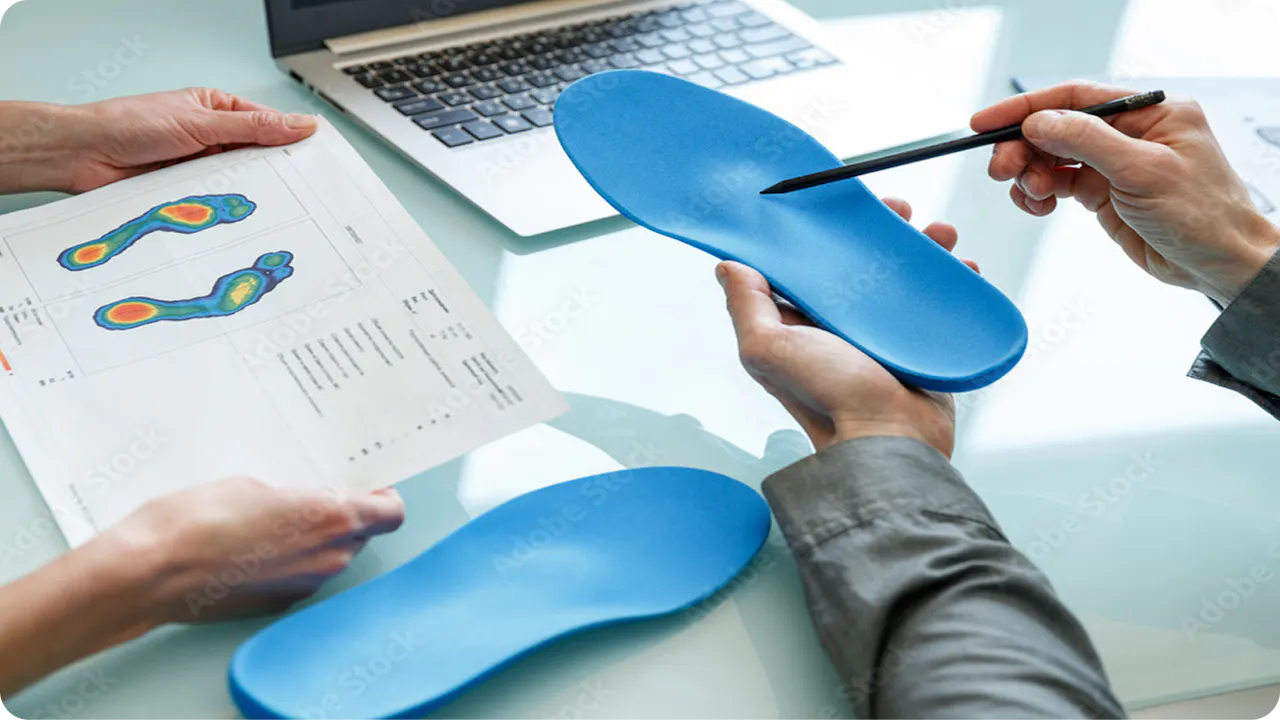
Treatment options include rest, ice, anti-inflammatory medication, physical therapy, orthotics for foot alignment, and in severe cases, corticosteroid injections or surgery. Early diagnosis and management can reduce pain, restore ankle stability, and prevent chronic problems, allowing for a faster return to daily activities and sports.
Our Bespoke Orthotics give you the Right Support for Long-Term Relief.
At Foot Factor, our podiatrists specialise in diagnosing and treating foot pain with precision and expertise. With advanced gait analysis, bespoke orthotics, and sports-focused podiatry care, we don’t just identify the problem—we provide a targeted solution to get you back to moving pain-free. Book a consultation today and take the first step toward lasting relief.
Related Articles
Find expert tips, advice, and insights to support your foot health and active lifestyle.