

Posterior Tibial Tendon Dysfunction (PTTD)
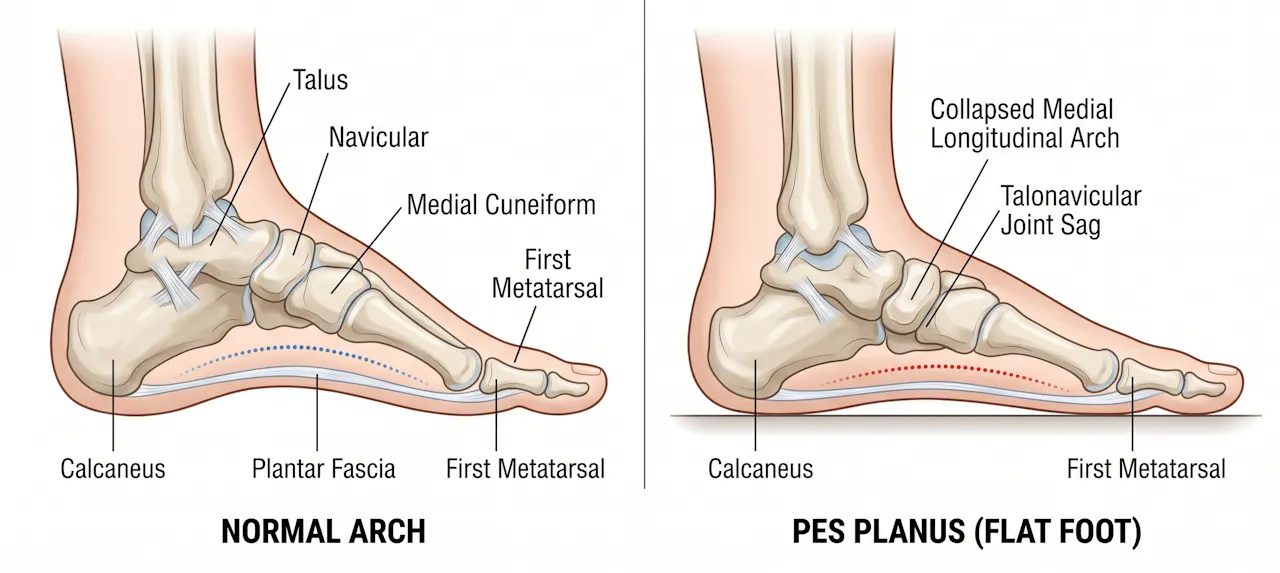
Posterior Tibial Tendon Dysfunction (PTTD), also known as adult-acquired flatfoot, is a condition that occurs when the posterior tibial tendon becomes irritated, weakened, stretched or damaged.
Overview
What is it?
The posterior tibial tendon plays a vital role in supporting the arch of the foot and helping the foot function efficiently during walking and running. When this tendon is unable to perform its normal function, the arch may gradually collapse, leading to pain, weakness, and progressive changes in foot shape.
PTTD is one of the most common causes of adult-acquired flatfoot and can significantly affect mobility if left untreated.
How common is it?
Posterior Tibial Tendon Dysfunction most commonly affects adults over the age of 40 and is more prevalent in women than men. The condition often develops gradually and may initially be mistaken for a simple ankle strain or overuse injury.
Early diagnosis and treatment are important, as intervention during the early stages can help prevent progression and reduce the risk of long-term foot deformity.

Symptoms & Causes
What are the symptoms?
Symptoms often develop gradually and worsen over time.
Common symptoms include:
- Pain along the inside of the ankle and foot
- Swelling around the posterior tibial tendon
- Tenderness behind the inner ankle bone
- Flattening of the arch
- Difficulty walking long distances
- Reduced balance and stability
- Pain during exercise or physical activity
As the condition progresses, pain may also develop on the outer side of the foot due to changes in foot alignment.
What does it feel like?
Many patients describe an aching or burning pain along the inside of the ankle. The discomfort is often worse after prolonged standing, walking, or exercise. As the tendon weakens, patients may notice increasing foot fatigue, loss of arch height, and a feeling that the foot is "rolling inwards."
What causes it?
PTTD typically develops due to repetitive strain placed on the tendon over time.
Common contributing factors include:
- Flat feet or excessive pronation
- Age-related tendon degeneration
- Repetitive overuse
- Running and impact sports
- Hypermobility
- Inflammatory conditions such as rheumatoid arthritis
- Poor lower limb biomechanics
The condition may develop gradually over many years or occur more rapidly following injury or increased activity levels.
How is it Diagnosed?
What tests are used to diagnose it?
1. Clinical History
Your podiatrist will discuss:
- When symptoms began
- Whether symptoms are worsening
- Previous injuries
- Exercise and activity levels
- Medical history
- Footwear habits
- Previous treatment attempts
2. Physical Examination
Assessment typically includes:
- Inspection of foot posture
- Evaluation of arch height
- Assessment of swelling and tenderness
- Testing tendon strength
- Range of motion testing
- Single-leg heel raise assessment
- Examination of ankle and foot alignment
One of the hallmark signs of PTTD is difficulty or inability to perform a single-leg heel raise due to weakness of the posterior tibial tendon.
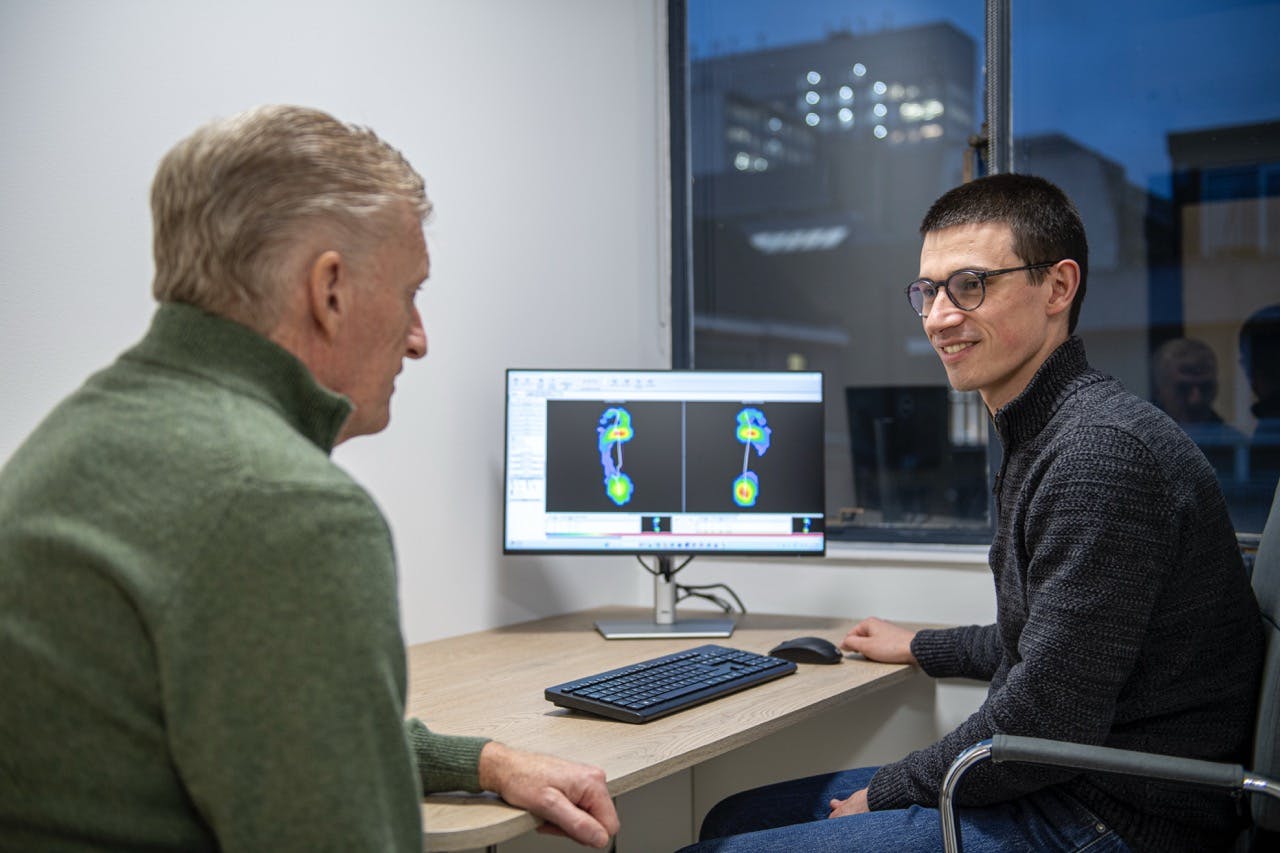
3. Gait & Biomechanical Analysis
At Foot Factor, a detailed biomechanical assessment helps identify the underlying factors contributing to tendon overload.
This may reveal:
- Excessive pronation
- Flat foot mechanics
- Lower limb alignment issues
- Muscle weakness
- Joint instability
- Abnormal loading patterns during walking
Identifying these factors allows treatment to address the root cause of the condition.
Foot Factor provides Expert Podiatry Treatment Tailored to You.
At Foot Factor, our podiatrists specialise in diagnosing and treating foot pain with precision and expertise. With advanced gait analysis, bespoke orthotics, and sports-focused podiatry care, we don’t just identify the problem—we provide a targeted solution to get you back to moving pain-free. Book a consultation today and take the first step toward lasting relief.

How is it Treated?
Early-stage PTTD often responds very well to conservative management.
Treatment may include:
- Biomechanical assessment
- Custom orthotic therapy
- Footwear modification
- Activity modification
- Strengthening and rehabilitation exercises
- Load management strategies
- Ankle support where appropriate
- Advice on reducing tendon stress
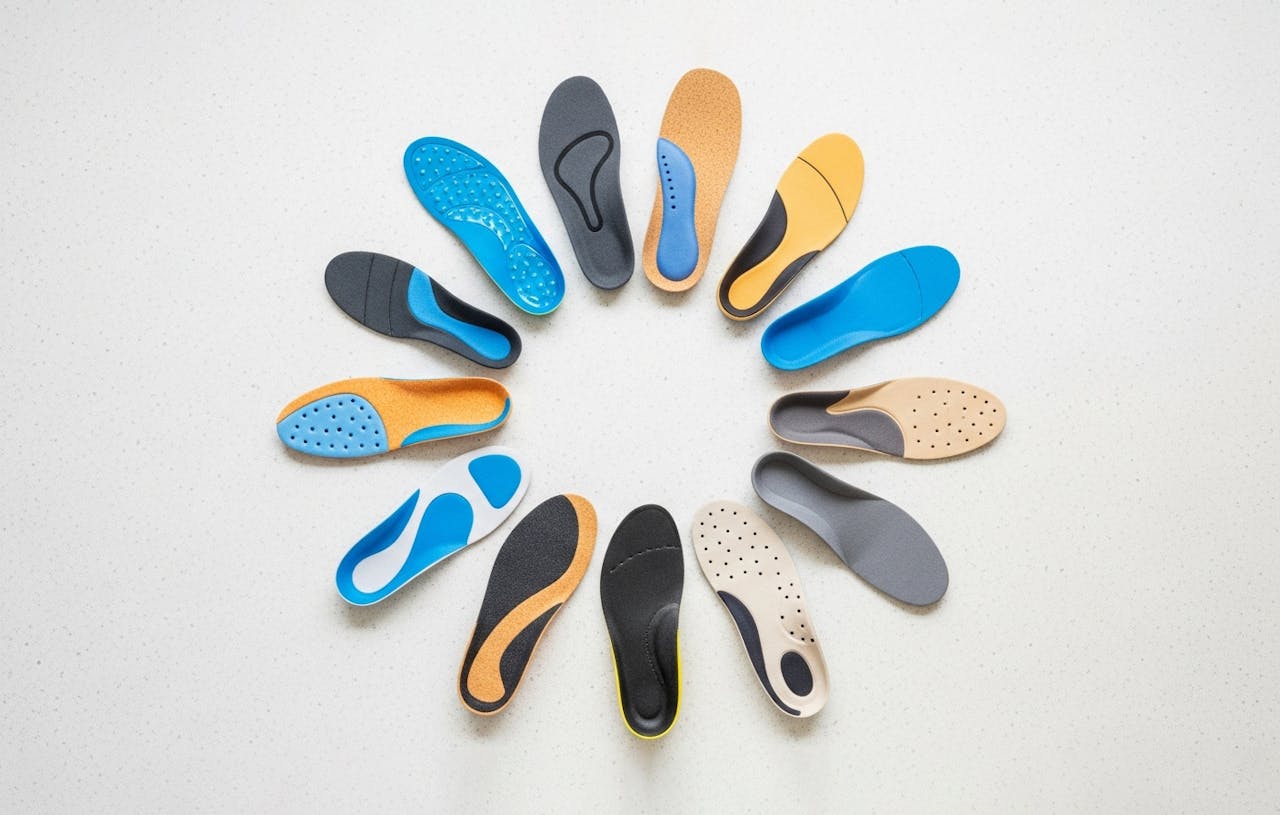
Custom Orthotics
Custom orthotics are frequently recommended to support the arch and reduce strain on the posterior tibial tendon.
Benefits may include:
- Reduced tendon loading
- Improved foot alignment
- Enhanced walking efficiency
- Better stability and balance
- Reduced pain during activity
- Slower progression of deformity
Orthotic therapy is often a key component of long-term management.
Rehabilitation Exercises
A structured rehabilitation programme can help improve tendon strength and function.
Exercises may focus on:
- Posterior tibial tendon strengthening
- Calf strengthening
- Foot intrinsic muscle activation
- Balance and proprioception
- Functional movement retraining
Our Bespoke Orthotics give you the Right Support for Long-Term Relief.
At Foot Factor, our podiatrists specialise in diagnosing and treating foot pain with precision and expertise. With advanced gait analysis, bespoke orthotics, and sports-focused podiatry care, we don’t just identify the problem—we provide a targeted solution to get you back to moving pain-free. Book a consultation today and take the first step toward lasting relief.
Related Articles
Find expert tips, advice, and insights to support your foot health and active lifestyle.