

Peroneal tendonitis
Peroneal tendonitis treatment in Central London. Expert podiatrists at Foot Factor provide gait analysis, orthotics, shockwave therapy & rehab for ankle pain. Book today.
Overview
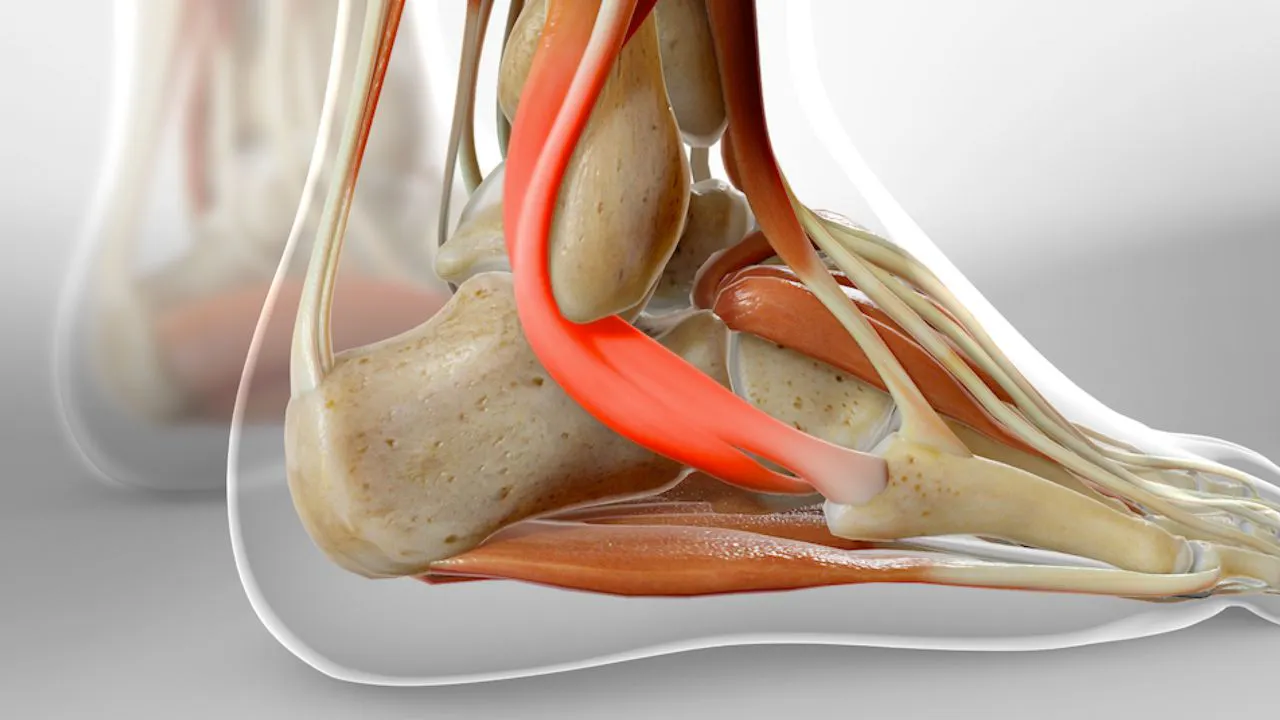
Peroneal tendonitis is an overuse pathology characterised by inflammation and irritation of the peroneal tendons, which run along the lateral aspect of the lower leg and ankle. These tendons play a key role in stabilising the foot and controlling eversion during gait. The condition is commonly observed in runners, individuals with high-arched (cavus) foot types, and patients who have recently increased training load or altered footwear.

Symptoms & Causes
Patients typically report:
- Lateral ankle or foot pain, often exacerbated by weight-bearing activity
- Localised swelling or tenderness along the peroneal tendons
- Discomfort during resisted eversion or single-leg loading
- Sensations of ankle instability, particularly on uneven surfaces
- Symptoms that ease with rest but recur on resumption of activity
Undiagnosed or untreated peroneal tendonitis may progress to chronic tendinopathy or lead to compensatory gait alterations, increasing the risk of further lower-limb injury.
Aetiology & Contributing Factors
Common underlying factors include:
- Sudden increases in training volume or intensity
- Repetitive overloading associated with running or lateral-movement sports
- High-arched or supinated foot types
- Inadequate footwear or worn-out running shoes
- Previous ankle sprains leading to mechanical instability
How is it Diagnosed?
Diagnosing Peroneal Tendonitis involves a combination of clinical assessment, movement testing, and if needed imaging. Because lateral ankle pain can stem from several conditions, an accurate diagnosis is essential for effective treatment.
1. Clinical History
A podiatrist or clinician will begin by understanding your symptoms and activity levels. Key questions often include:
- When did the pain start?
- Have you recently increased running or training intensity?
- Do you have a history of ankle sprains or instability?
- What activities make the pain worse (e.g. walking, running, uneven ground)?
This helps identify whether the condition is linked to overuse or biomechanical stress.
2. Physical Examination
A hands-on assessment is crucial and typically includes:
- Palpation (touch): Tenderness along the outer ankle where the peroneal tendons run
- Swelling check: Localised inflammation behind the outer ankle bone
- Resisted eversion test: Pain when pushing the foot outward against resistance
- Single-leg loading: Discomfort when standing or balancing on one foot
- Range of motion: Assessing ankle mobility and control
These findings strongly indicate irritation of the peroneal tendons.
3. Gait & Biomechanical Assessment
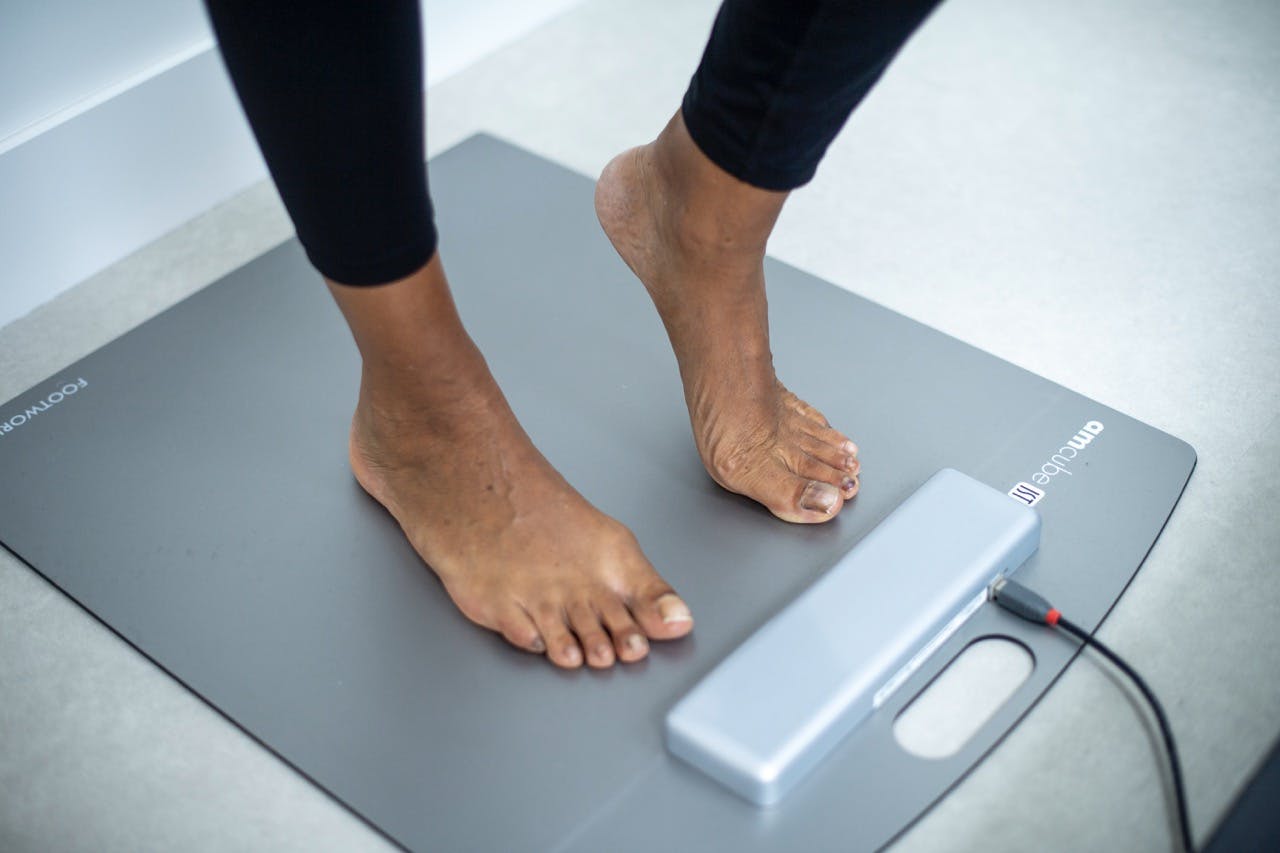
At clinics like Foot Factor Orthotics & Podiatry, a detailed gait analysis is often performed to identify underlying causes:
- Over-supination (high-arched foot type)
- Poor foot mechanics during walking or running
- Abnormal loading patterns on the lateral ankle
This step is key to preventing recurrence.
4. Imaging (If Required)
Imaging is not always necessary but may be used in persistent or unclear cases:
- Ultrasound: Detects tendon inflammation, thickening, or tears
- MRI: Provides detailed images of soft tissue, useful for ruling out tendon tears or other conditions
- X-ray: Helps exclude fractures or bony abnormalities
5. Differential Diagnosis
Because symptoms overlap with other conditions, clinicians will rule out:
- Sinus Tarsi Syndrome
- Lateral ankle ligament sprains
- Peroneal tendon subluxation (tendon slipping)
- Stress fractures of the foot or ankle
Foot Factor provides Expert Podiatry Treatment Tailored to You.
At Foot Factor, our podiatrists specialise in diagnosing and treating foot pain with precision and expertise. With advanced gait analysis, bespoke orthotics, and sports-focused podiatry care, we don’t just identify the problem—we provide a targeted solution to get you back to moving pain-free. Book a consultation today and take the first step toward lasting relief.


How is it Treated?
At Foot Factor, our podiatrists provide comprehensive assessment and evidence-based management of peroneal tendonitis. Treatment may include:
- Biomechanical evaluation and gait analysis to identify underlying dysfunction
- Custom orthotic therapy to optimise foot alignment and reduce tendon load
- Medical-grade shockwave therapy for chronic or persistent cases
- Targeted strengthening and rehabilitation programmes
- Footwear assessment and modification
- Load management and activity-specific guidance
Our Bespoke Orthotics give you the Right Support for Long-Term Relief.
At Foot Factor, our podiatrists specialise in diagnosing and treating foot pain with precision and expertise. With advanced gait analysis, bespoke orthotics, and sports-focused podiatry care, we don’t just identify the problem—we provide a targeted solution to get you back to moving pain-free. Book a consultation today and take the first step toward lasting relief.
Related Articles
Find expert tips, advice, and insights to support your foot health and active lifestyle.