

Bunions
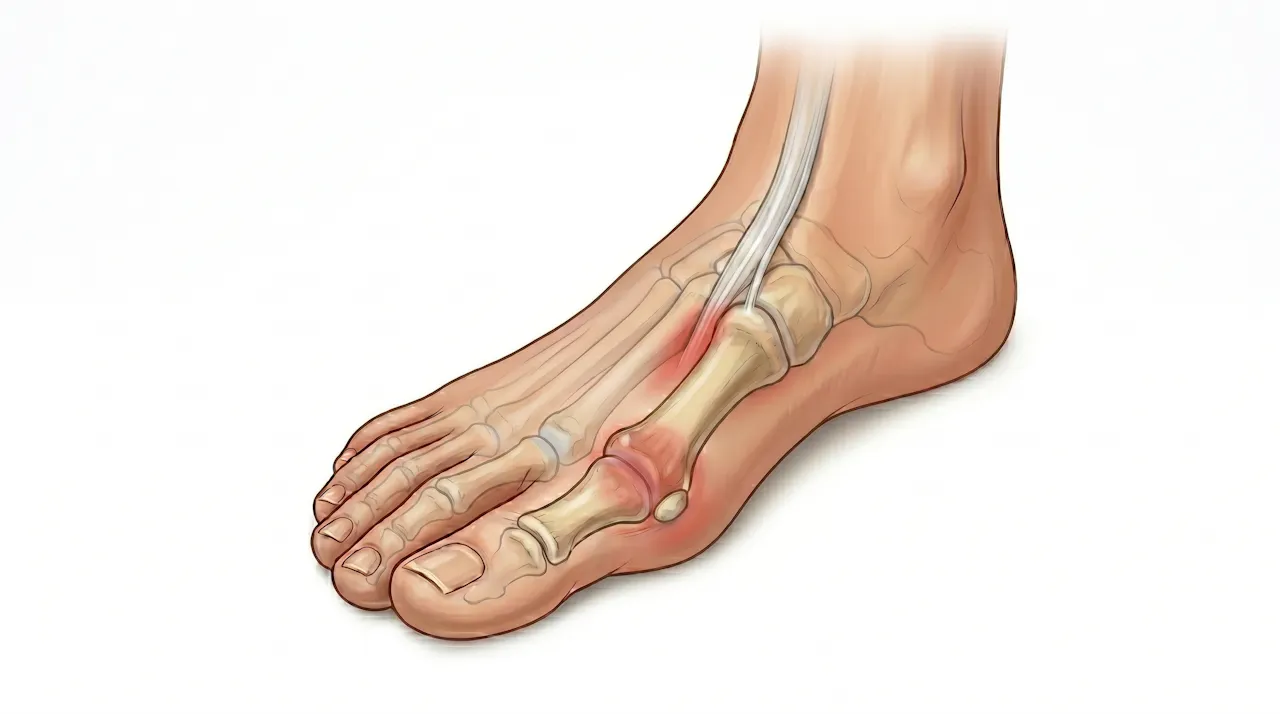
A bunion, is a progressive foot deformity that develops at the base of the big toe. They can range from mild cosmetic concerns to painful conditions that affect walking, exercise, footwear choices and overall quality of life.
Overview
What is it?
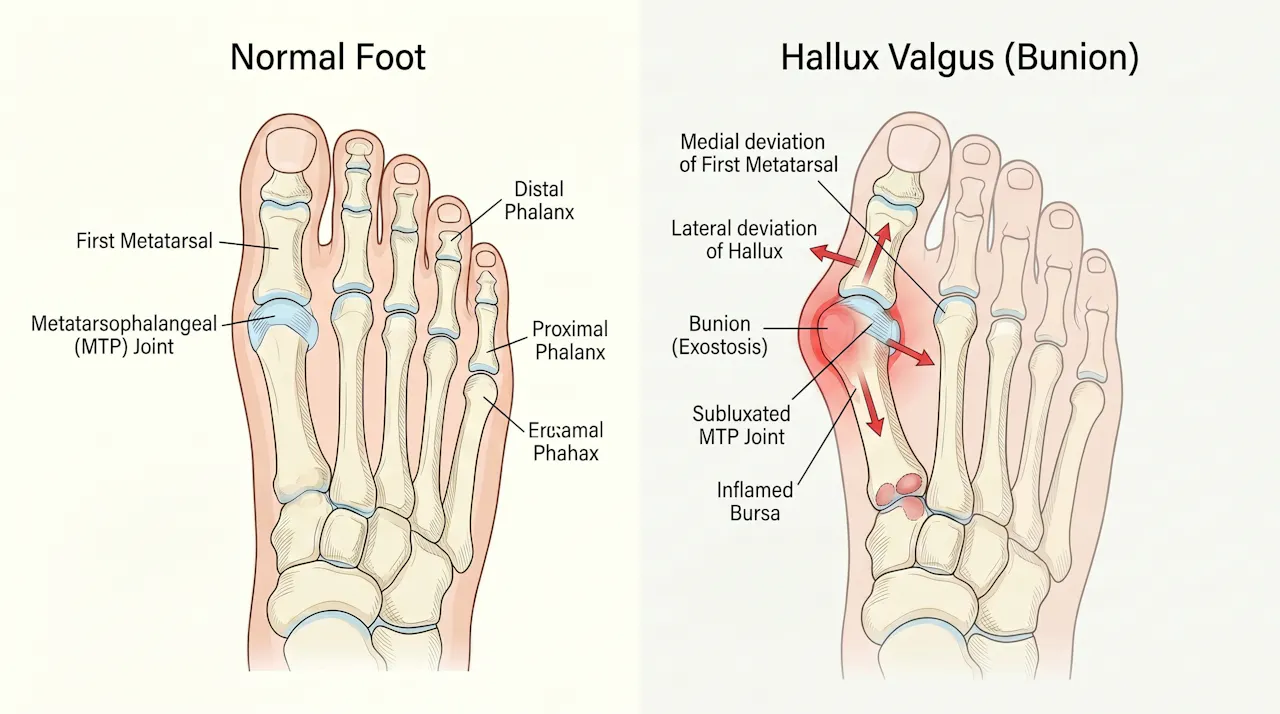
A bunion, medically known as Hallux Valgus, is a progressive foot deformity that develops at the base of the big toe. It occurs when the big toe gradually drifts towards the second toe, causing the joint at the base of the toe to protrude outward and form a noticeable bony bump.
How common is it?
Bunions are one of the most common foot conditions seen in podiatry clinics. They affect millions of people worldwide and are significantly more common in women than men. Although they can develop at any age, bunions become increasingly prevalent with age and are often influenced by genetics, foot structure and footwear choices.
Symptoms & Causes
What are the symptoms?
Symptoms vary depending on the severity of the bunion and the amount of joint irritation present. Common symptoms include:
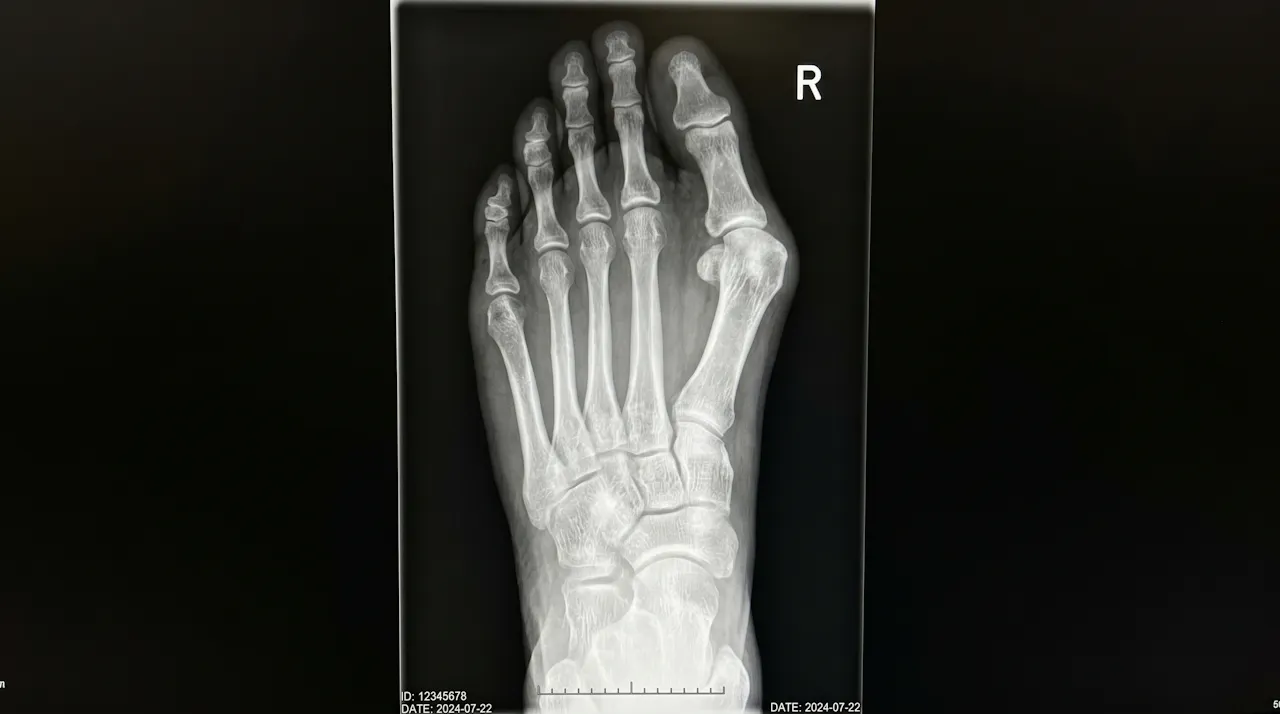
- A visible bump on the side of the big toe joint
- Pain or tenderness around the bunion
- Redness, swelling, or inflammation
- Difficulty wearing certain shoes
- Calluses developing between the first and second toes
- Reduced movement of the big toe joint
- Foot fatigue during prolonged walking or standing
- Pain that worsens after activity
What causes it?
Bunions develop due to a combination of biomechanical and genetic factors rather than simply wearing tight shoes.
Common contributing factors include:
- Family history of bunions
- Flat feet or excessive pronation
- Hypermobility of the foot joints
- Abnormal foot biomechanics
- Tight or narrow footwear
- High heels worn regularly
- Previous foot injuries
- Certain inflammatory conditions such as rheumatoid arthritis
How is it Diagnosed?
Diagnosis is usually straightforward and is based on standard clinical findings.
What tests are used to diagnose it?
1. Clinical History
Your podiatrist will discuss:
- When symptoms first appeared
- Whether the bunion has increased in size
- Activities that aggravate symptoms
- Family history of bunions
- Previous treatments attempted
- Current footwear habits
2. Physical Examination
A thorough examination may include:
- Assessment of big toe alignment
- Measurement of joint mobility
- Identification of swelling or inflammation
- Evaluation of pressure points and calluses
- Assessment of foot posture and arch function
- Observation of standing and walking mechanics
3. Gait & Biomechanical Analysis
At Foot Factor, detailed gait and biomechanical analysis can help identify the underlying factors contributing to bunion development.
This may reveal:
- Excessive pronation
- Flat foot mechanics
- Joint instability
- Uneven weight distribution
- Abnormal loading through the forefoot
Understanding these factors allows treatment to target the root cause rather than simply managing symptoms.
Foot Factor provides Expert Podiatry Treatment Tailored to You.
At Foot Factor, our podiatrists specialise in diagnosing and treating foot pain with precision and expertise. With advanced gait analysis, bespoke orthotics, and sports-focused podiatry care, we don’t just identify the problem—we provide a targeted solution to get you back to moving pain-free. Book a consultation today and take the first step toward lasting relief.

How is it Treated?
Many bunions can be effectively managed without surgery.
Treatment may include:
- Comprehensive biomechanical assessment
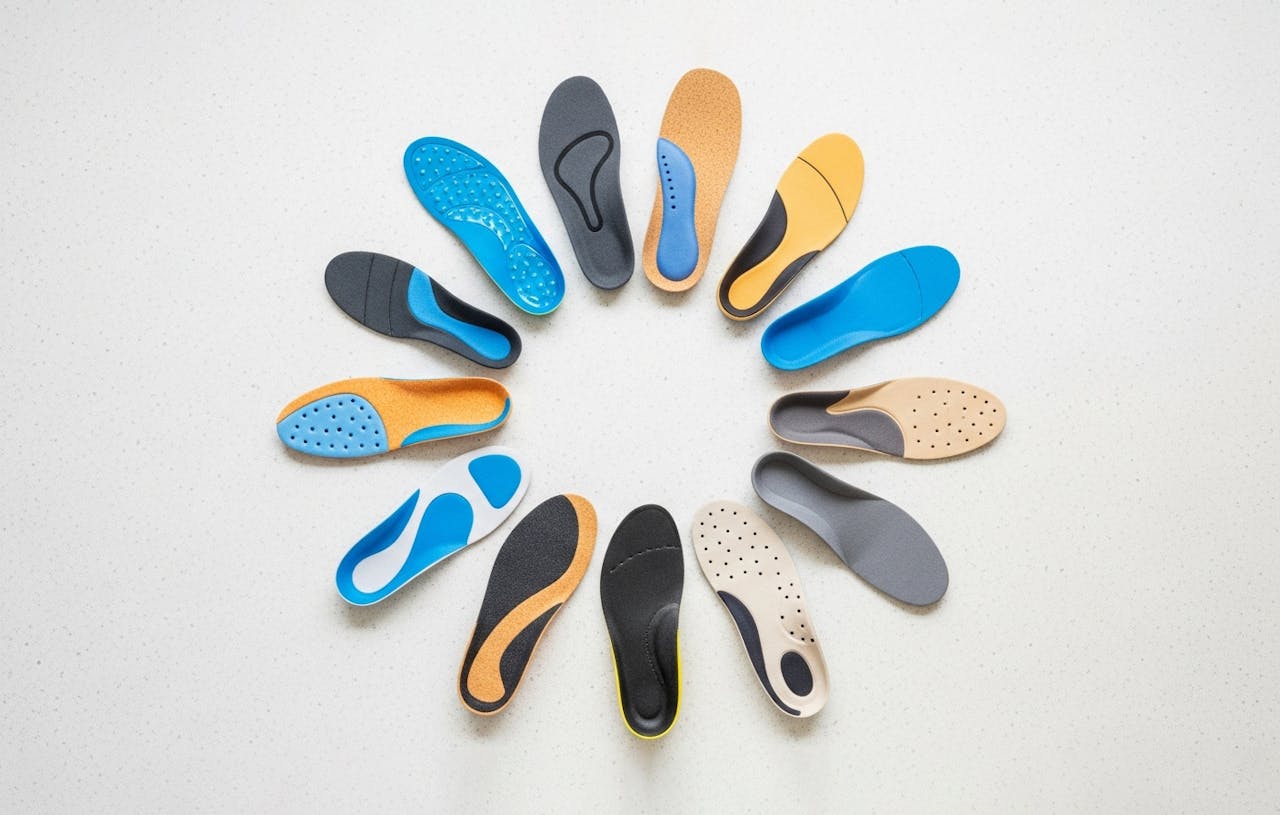
- Custom orthotic therapy
- Footwear advice and modification
- Pressure-relieving padding
- Activity modification
- Joint mobilisation techniques
- Strengthening exercises for foot stability
- Anti-inflammatory management strategies
Orthotics
Custom orthotics are often one of the most effective ways to reduce excessive forces acting on the big toe joint.
By improving foot alignment and controlling abnormal motion, orthotics can:
- Reduce pain
- Improve walking efficiency
- Slow bunion progression
- Decrease stress on surrounding joints
- Enhance comfort during daily activities
Footwear Advice
Choosing appropriate footwear is essential.
Recommended footwear typically includes:
- A wide toe box
- Adequate forefoot depth
- Supportive midsoles
- Stable heel counters
- Sufficient cushioning
Our Bespoke Orthotics give you the Right Support for Long-Term Relief.
At Foot Factor, our podiatrists specialise in diagnosing and treating foot pain with precision and expertise. With advanced gait analysis, bespoke orthotics, and sports-focused podiatry care, we don’t just identify the problem—we provide a targeted solution to get you back to moving pain-free. Book a consultation today and take the first step toward lasting relief.
Related Articles
Find expert tips, advice, and insights to support your foot health and active lifestyle.